
Exploring the psychology behind gambling behavior
The Allure of Risk-Taking
The psychology behind gambling is deeply rooted in the human attraction to risk and uncertainty. Many individuals are drawn to the thrill of taking chances, which can provoke stimulating sensations. When players place a bet, they often find themselves in a state of heightened excitement, anticipating the outcome at their favorite best nz online casino , where the rush that accompanies winning—however infrequent—reinforces this behavior, creating a cycle that binds individuals to gambling. The adrenaline surge experienced during these moments can lead to a euphoric state that many find irresistible.
Moreover, the allure of risk-taking is influenced by psychological constructs such as the “gambler’s fallacy.” This cognitive bias leads individuals to believe that past events will influence future outcomes in games of chance. For instance, a player may think that a slot machine is “due” for a payout after several unsuccessful attempts. This belief can fuel repetitive behavior, where players continue to gamble based on the erroneous perception that they are close to a win, thus heightening their emotional investment. The interplay between cognition and emotion in these instances highlights the complexity of gambling behavior.
Societal factors also contribute to the fascination with gambling. Cultural narratives often glamorize risk-takers and portray winning as a pathway to success and happiness. These messages can create an idealized image of gambling that disrupts rational decision-making. As people observe others celebrating wins—whether in films or social media—they may feel compelled to participate, despite understanding the odds may not be in their favor. Hence, this complex interaction of psychological factors drives the persistent engagement in gambling activities, as individuals seek to emulate perceived notions of success.
The Role of Cognitive Biases
Cognitive biases play a critical role in shaping gambling behavior, often clouding an individual’s judgment and decision-making process. Aside from the gambler’s fallacy, several other biases such as overconfidence and the illusion of control significantly influence how people approach gambling. Overconfidence leads players to believe they have special skills or insider knowledge that can guarantee success. This unfounded confidence can escalate their gambling frequency and intensity, further entrenching them in the cycle of gambling. As a result, they may ignore evidence that contradicts their beliefs, leading to even greater financial losses.
The illusion of control is another potent factor, wherein players feel they can influence random outcomes. For example, a player may believe that their betting strategies or rituals—such as wearing lucky clothing or repeating a specific mantra—can sway the odds in their favor. This misconception keeps individuals attached to the gambling experience, as they attribute wins to their perceived control rather than chance or luck. These cognitive biases create a distorted perception of reality, leading individuals to gamble more than they otherwise might. Such misinterpretations of control can perpetuate the gambling cycle, making it difficult for individuals to break free.

Moreover, these biases are exacerbated by the environment in which gambling occurs. Bright lights, engaging sounds, and incentives in gambling venues are all strategically designed to create an immersive experience that stimulates the brain. This sensory overload can heighten emotional responses, making it increasingly difficult for players to rationally assess their winnings and losses. The atmosphere often manipulates gambling psychology, encouraging individuals to overlook their cognitive biases and embrace continued risk-taking, further entrenching them in gambling behaviors.
The Emotional Impact of Winning and Losing
The emotional landscape of gambling is complex, encompassing both exhilaration and disappointment. Winning can elicit powerful feelings of joy, accomplishment, and even euphoria. This positive reinforcement plays a substantial role in encouraging repeat behavior. For many, the occasional win provides a temporary escape from daily life stresses, reinforcing the notion that gambling is a source of fun and excitement. However, this high often leads to an emotional downtrend when losses occur, igniting feelings of regret or anxiety. The contrast between joy and disappointment can create a powerful emotional rollercoaster that keeps individuals returning for more.
Losing can be particularly challenging psychologically, leading to what some call “chasing losses.” This phenomenon refers to the pattern where individuals continue gambling in an attempt to recoup previous losses, often spiraling further into risk. The desperation to achieve a win can cloud judgment, pushing individuals to make increasingly reckless decisions. Such emotional responses demonstrate the delicate balance between the highs of winning and the lows of losing, forming an emotional rollercoaster that can be addictive. The drive to recover losses can lead to a continual cycle of gambling that is hard to escape.
Moreover, gambling can serve as a means of coping with underlying issues such as anxiety, depression, or loneliness. Some individuals may turn to gambling as a distraction or an alternative to confronting personal challenges. Unfortunately, this can create a vicious cycle where gambling temporarily alleviates negative feelings but ultimately exacerbates them when losses pile up. Understanding these emotional dynamics is vital for addressing problematic gambling behavior and promoting healthier coping strategies. The need for emotional regulation can often drive individuals deeper into gambling rather than providing the relief they seek.
Social Influences and Group Dynamics
The social context surrounding gambling significantly influences individual behaviors and choices. Group dynamics, peer pressure, and societal norms can all shape how individuals perceive gambling. For example, in social settings, gambling can become a communal activity where the shared thrill amplifies the appeal. Friends or family members engaging in gambling together can create a sense of belonging and camaraderie, which may encourage others to partake, often without critically assessing their own interest or capability. The role of social validation can create an echo chamber that reinforces gambling behaviors.
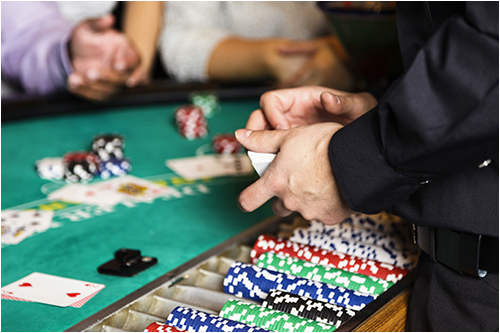
Additionally, the rise of online gaming has transformed social gambling into a virtual experience. Players can now connect with thousands globally, fostering new friendships and communal experiences centered around gambling. While this connectivity can create positive interactions, it may also amplify risk behavior as individuals feel compelled to keep up with their peers or participate in shared experiences, despite potential financial consequences. The social pressure to compete or keep pace can lead players deeper into gambling activities, as they strive to maintain their social standing within these virtual communities.
Moreover, societal perceptions of gambling vary widely across cultures. In some regions, gambling is viewed as a mainstream recreational activity, while in others, it may carry a stigma. These perceptions directly impact how individuals approach gambling, with some feeling more liberated to participate and others feeling shame or guilt. Understanding these social dimensions is crucial for comprehending the broader psychological elements at play in gambling behavior, as they inform personal choices and actions significantly. The normalization of gambling in certain cultures can create a conducive environment for its proliferation, while stigmatization may deter individuals from seeking help.
Understanding Gambling Behavior Through Research and Support
Research into gambling behavior has provided valuable insights into the underlying psychological mechanisms that drive individuals to gamble. Studies delve into various factors, including neurological responses, decision-making processes, and emotional triggers. This body of research is crucial for developing effective interventions and support systems for those struggling with gambling addiction. Understanding the psychology behind gambling allows for a more compassionate approach to treatment, focusing on the cognitive and emotional aspects of behavior. Ongoing research continues to unravel the complexities of why individuals engage in gambling despite the known risks.
Moreover, support systems play a vital role in addressing gambling-related issues. Organizations and hotlines offer resources for individuals seeking help, focusing on lifestyle changes and cognitive-behavioral strategies. These support frameworks encourage individuals to confront their gambling habits, providing coping mechanisms and emotional support. Awareness campaigns also aim to educate the public about the psychological risks associated with gambling, promoting informed choices and reducing stigma around seeking help. Such initiatives are vital in fostering a community that supports recovery and understanding.
Furthermore, integrating psychological insights into treatment programs allows for a more comprehensive understanding of gambling behavior. Therapists can work with individuals to explore their motivations, emotional triggers, and cognitive biases, facilitating a deeper self-awareness. This individual approach not only addresses the gambling behaviors but also considers the broader emotional and psychological landscape that contributes to such actions. Ultimately, continued research and support are essential for fostering healthier gambling behavior and aiding those affected by it. These efforts are fundamental in creating an environment where individuals can seek help without fear of judgment.